The Ultimate Guide to Matcha: Unlocking the History, Culture, and Spirit of Japan’s “Green Gold”
“For those who prefer to listen in audio, click here.”
Introduction
Walk into any cafe in New York, London, or Sydney, and you are almost guaranteed to see a splash of vibrant green on the menu. The “Matcha Latte” has become a global icon of wellness and modern lifestyle. But strictly speaking, what we consume in paper cups on our way to work is just the tip of the iceberg.
To truly understand Matcha is to unlock a door to the very heart of Japanese culture. It is a story that spans over 800 years, involving Zen monks, powerful Samurai warlords, and masters of aesthetics who dedicated their lives to the perfect bowl of tea.
In this guide, we will go beyond the latte. We will explore the deep history, the painstaking production process, and the spiritual philosophy of “Chado” (The Way of Tea) that makes Matcha so much more than just a drink. Whether you are a casual tea lover or a Japanophile seeking deeper knowledge, welcome to the world of Japan’s “Green Gold.”
Chapter 1: What Exactly is Matcha?
Before diving into history, let’s clear up a common misconception. Is Matcha just “powdered green tea”? Technically, yes. But practically, it is in a league of its own.
Unlike regular green tea (Sencha), where you steep the leaves in hot water and then discard them, Matcha involves consuming the entire tea leaf. This means you are ingesting 100% of the nutrients, antioxidants, and caffeine held within the plant.
However, you cannot simply grind up any tea leaf and call it Matcha. True Matcha comes from a specific type of tea leaf called “Tencha.” These leaves are grown under very specific conditions, steamed, dried without rolling, and then ground into a microscopic powder using traditional stone mills.
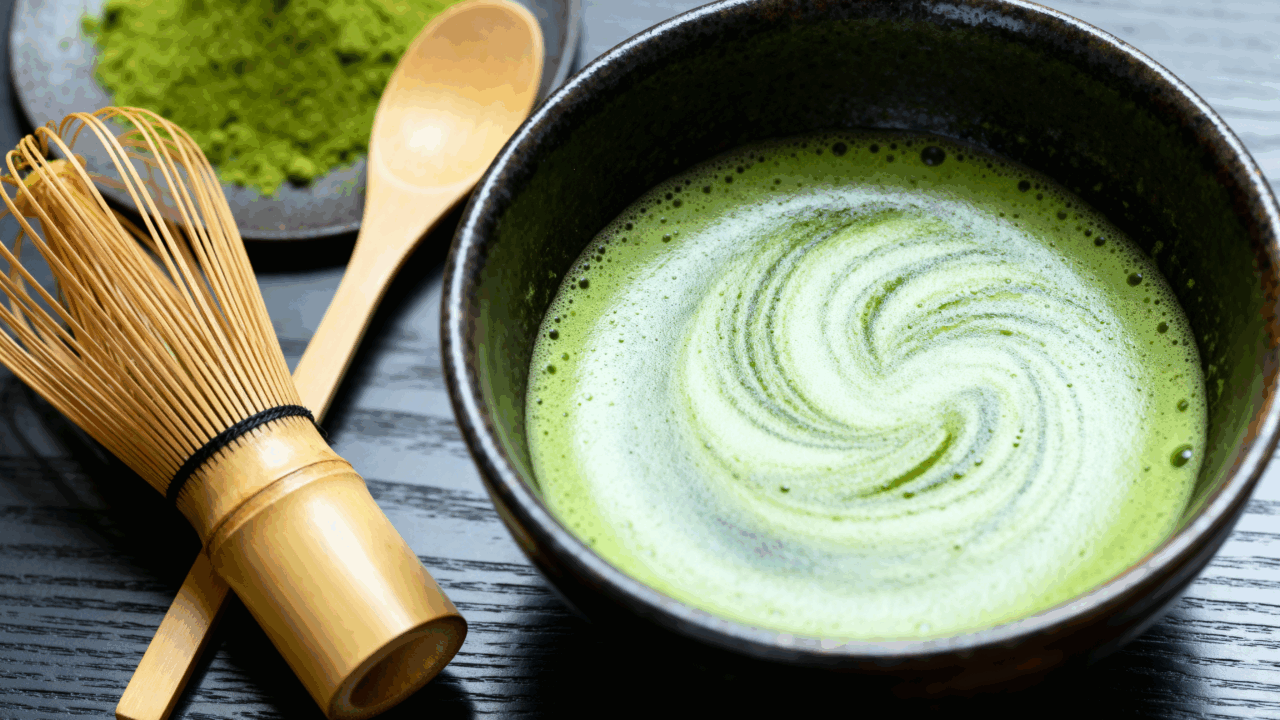
The result is a powder so fine it dissolves into the water, creating a suspension rather than an infusion. The taste is complex: a rich, creamy body with a distinct vegetal grassy note, balanced by a deep savory flavor known as “Umami.”

Chapter 2: The 800-Year Journey
The history of Matcha is the history of Japan itself. It has evolved from a medicinal broth for monks to a symbol of status for warriors, and finally, into a spiritual art form.
The Zen Connection: From China to Japan While powdered tea originated in China during the Song Dynasty, it was the Japanese Buddhist monk Eisai who brought the seeds back to Japan in the late 12th century. Eisai wrote a famous book titled “Kissa Yojoki” (Drinking Tea for Health), claiming that tea was the ultimate medicine for the mind and body.
For Zen monks, Matcha was a practical tool. The high caffeine content helped them stay awake during long hours of meditation. This connection between tea and Zen Buddhism is the foundation upon which the entire culture of the Tea Ceremony was built.
The Samurai and the Game of Tea As time moved into the 14th and 15th centuries, tea left the temples and entered the castles. For the Samurai class, tea became a status symbol. They held lavish tea parties called “Tocha,” which were essentially gambling games where participants tasted different teas to guess their origins. Expensive Chinese pottery was displayed to show off wealth. It was flashy, loud, and far removed from the Zen origins.
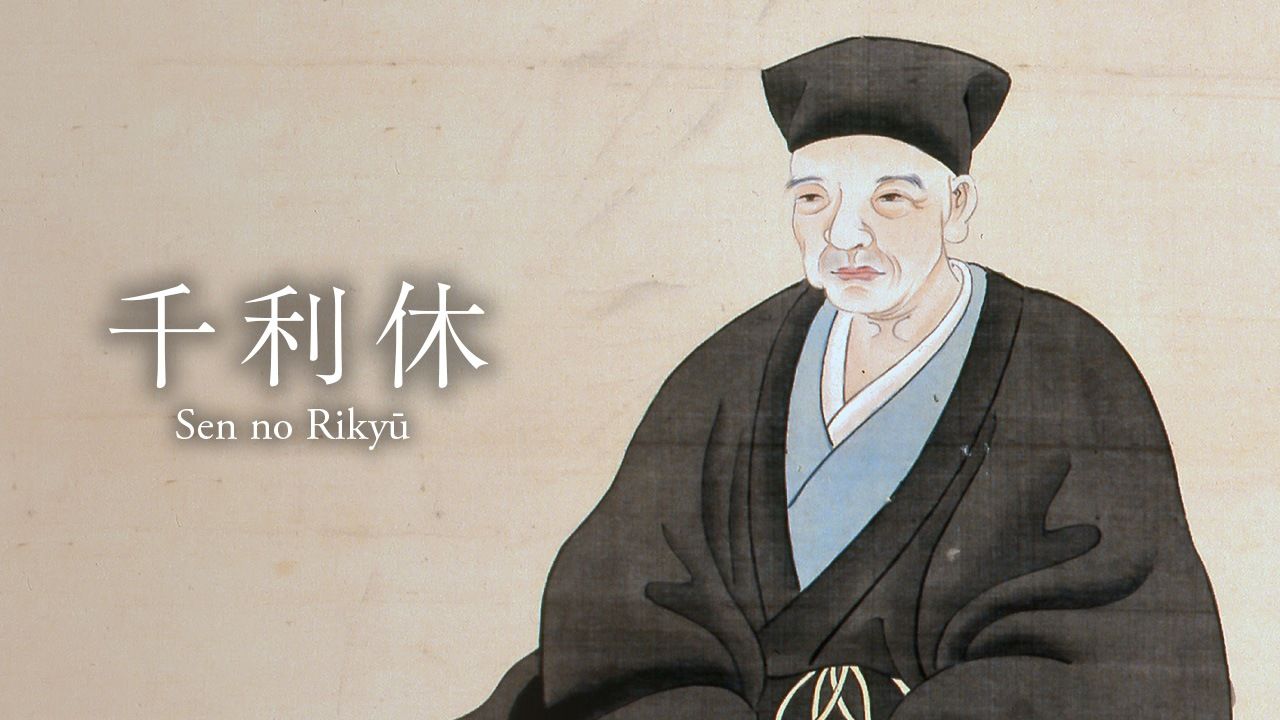
Sen no Rikyu and the Birth of “Wabi-Sabi” The most pivotal moment in Matcha history came in the 16th century with a man named Sen no Rikyu. He is considered the father of the modern Tea Ceremony.
Rikyu rejected the flashy materialism of the Samurai tea parties. Instead, he promoted the concept of “Wabi-Sabi”—finding beauty in imperfection, simplicity, and rustic nature. He replaced expensive Chinese vases with simple bamboo flower holders and drank from rough, hand-molded black bowls.
Rikyu taught that the act of making tea was a spiritual discipline. It was about harmony between the host and the guest. This philosophy transformed Matcha from a drink into a “Way” (Do)—Chado, the Way of Tea. Even today, when you drink authentic Matcha, you are participating in this legacy of finding peace in a bowl of green foam.
Chapter 3: The Art of Production (Why is it so expensive?)
If you have ever shopped for high-quality Matcha, you might have been shocked by the price tag. A small 30g tin can cost upwards of $30 or $40. Why is a powdered leaf more expensive than a fine wine? The answer lies in the incredibly labor-intensive production process.
The Magic of Shadows The defining characteristic of Matcha cultivation is the “shading” process. About 3-4 weeks before harvest, tea plantations are covered with black tarp or straw screens to block out 90% of the sunlight.
This forces the tea plants to struggle. To survive with less light, the leaves overproduce chlorophyll (turning them an intense, dark green) and amino acids, specifically L-Theanine. This L-Theanine is the source of the savory “Umami” flavor and the natural sweetness that characterizes high-grade Matcha. Without shading, the tea would just be bitter.
Hand-Picked Perfection For the highest ceremonial grades, machines are forbidden. Skilled workers hand-pick only the youngest, softest leaves at the very top of the bush. This happens only once a year, in early May (known as “Ichibancha” or First Flush).
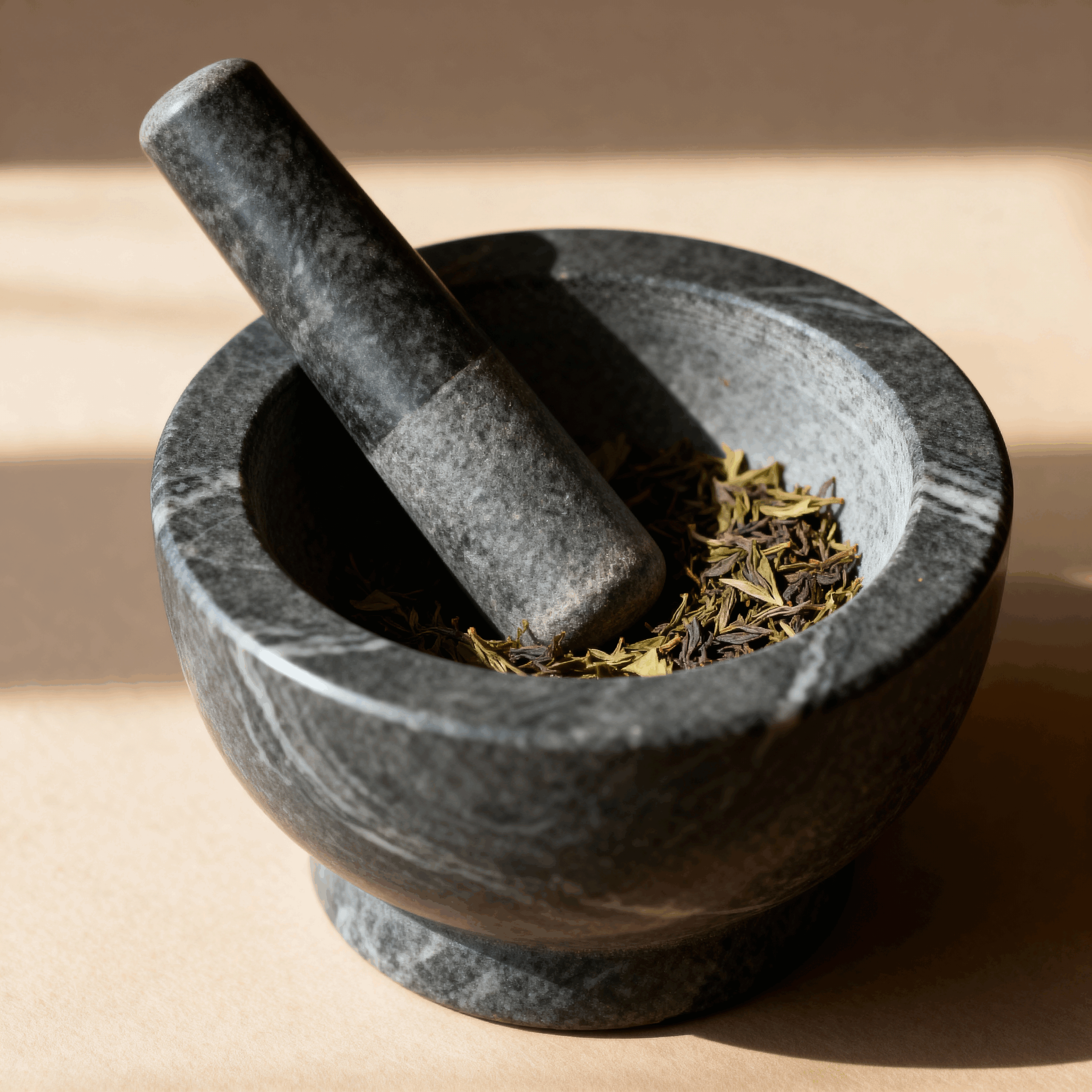
The Grind Once the leaves are steamed and dried (becoming Tencha), they must be ground. This is done using traditional granite stone mills. It is a slow, meditative process. If the stones rotate too fast, the friction heat will burn the tea and ruin the flavor.
A single stone mill can grind only about 30 to 40 grams of Matcha per hour. That means one hour of work produces just enough powder for one small tin. When you drink Matcha, you are drinking time itself.
Chapter 4: The Spirit of Tea Ceremony (Chado)
While the production is scientific, the consumption is spiritual. The Japanese Tea Ceremony (Sado or Chado) is not just about drinking tea; it is a choreographed ritual of mindfulness.
The spirit of the ceremony is often summarized by four characters: Wa, Kei, Sei, Jaku (Harmony, Respect, Purity, Tranquility).
-
Harmony (Wa): The balance between the host, the guest, the season, and the utensils.
-
Respect (Kei): Recognizing the dignity of everyone and everything in the room, down to the tea bowl.
-
Purity (Sei): Both physical cleanliness of the room and spiritual cleansing of the heart.
-
Tranquility (Jaku): The inner peace that comes from practicing the first three.
The Tools of the Trade You don’t need to be a tea master to enjoy Matcha at home, but two tools are essential to replicate the authentic experience:
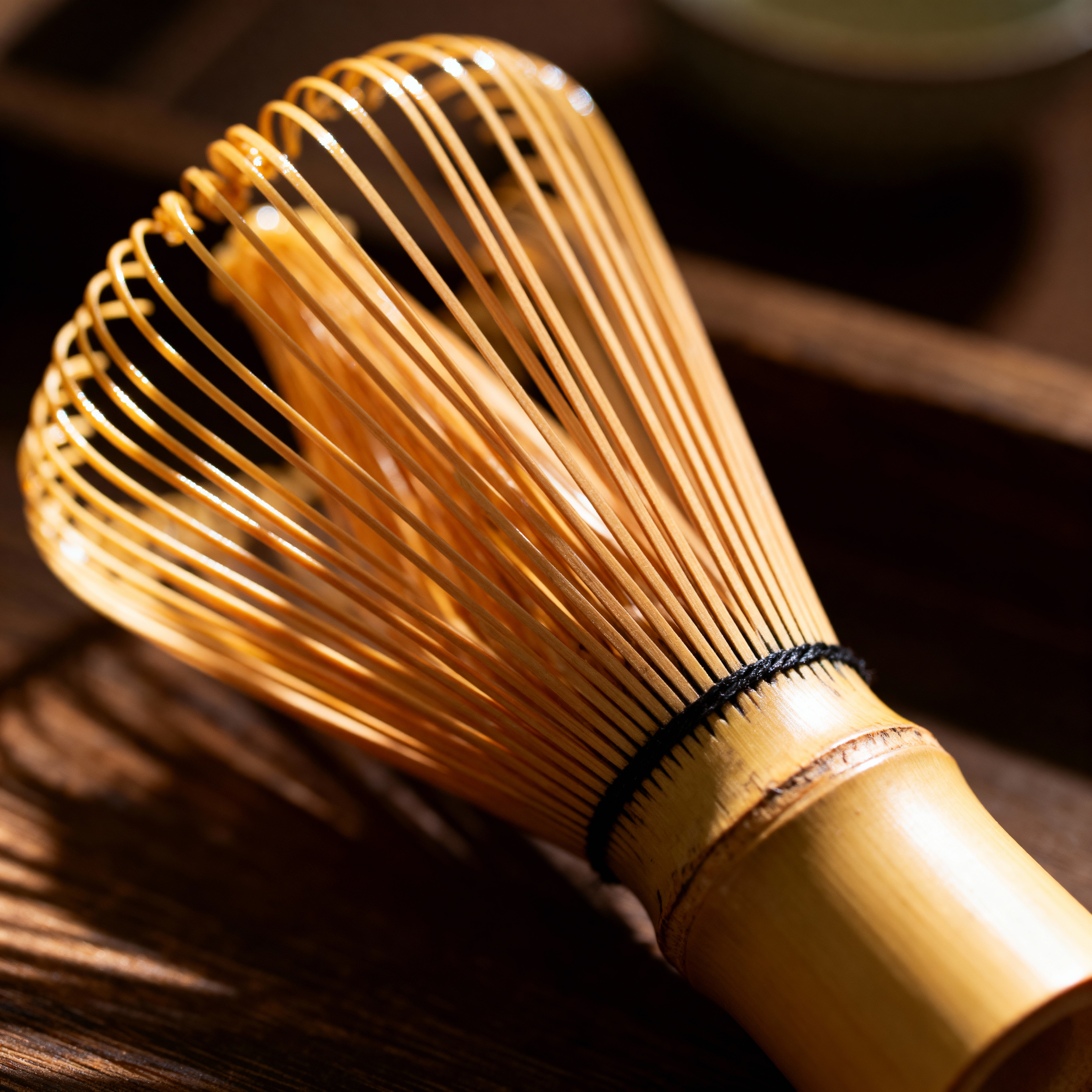
- Chasen (Bamboo Whisk): This intricate tool is carved from a single piece of bamboo. Its fine prongs are designed to whip the tea and hot water into a rich, creamy micro-foam that a metal spoon simply cannot achieve.
-
Chawan (Tea Bowl): Unlike a mug with a handle, a tea bowl is held with both hands. This physical connection allows you to feel the warmth of the tea and appreciate the texture of the pottery.
Chapter 5: Culinary vs. Ceremonial Grade
This is the most common confusion for beginners. You see a bag of Matcha for $10 and a tin for $50. What is the difference?
Ceremonial Grade
-
Purpose: Drinking straight with water (Usucha or Koicha).
-
Color: Vibrant, electric neon green.
-
Taste: Naturally sweet, creamy, with strong Umami and very little bitterness.
-
Origin: Made from the youngest leaves at the top of the plant.
Culinary Grade
-
Purpose: Baking, smoothies, or lattes with lots of milk and sugar.
-
Color: Dull, yellowish, or olive green.
-
Taste: Astringent, bitter, and strong. This strong flavor is necessary to cut through the taste of flour, milk, or sugar in recipes.
-
Origin: Made from older leaves lower down on the plant.
Pro Tip: Never use Ceremonial grade for baking (it’s a waste of money as the delicate flavor gets lost), and never drink Culinary grade straight (it will be too bitter to enjoy).
Conclusion
Matcha is more than just a superfood trend or a caffeine boost. It is a window into the Japanese soul—a culture that values process over speed, and depth over surface.
From the farmers who carefully shade the leaves to the craftsmen who carve the bamboo whisks, every scoop of green powder carries centuries of dedication.
So, the next time you whisk up a bowl of Matcha, take a moment. Don’t just drink it. Look at the vibrant green foam, smell the grassy aroma, and feel the warmth of the bowl. In a busy world, Matcha offers us a rare invitation: the chance to slow down, breathe, and simply be present.
Ready to try authentic Matcha? [https://amzn.to/3M7mr7h]