The Mystery of the Lost Wallet: Why Japan is the Safest Country in the World
Introduction
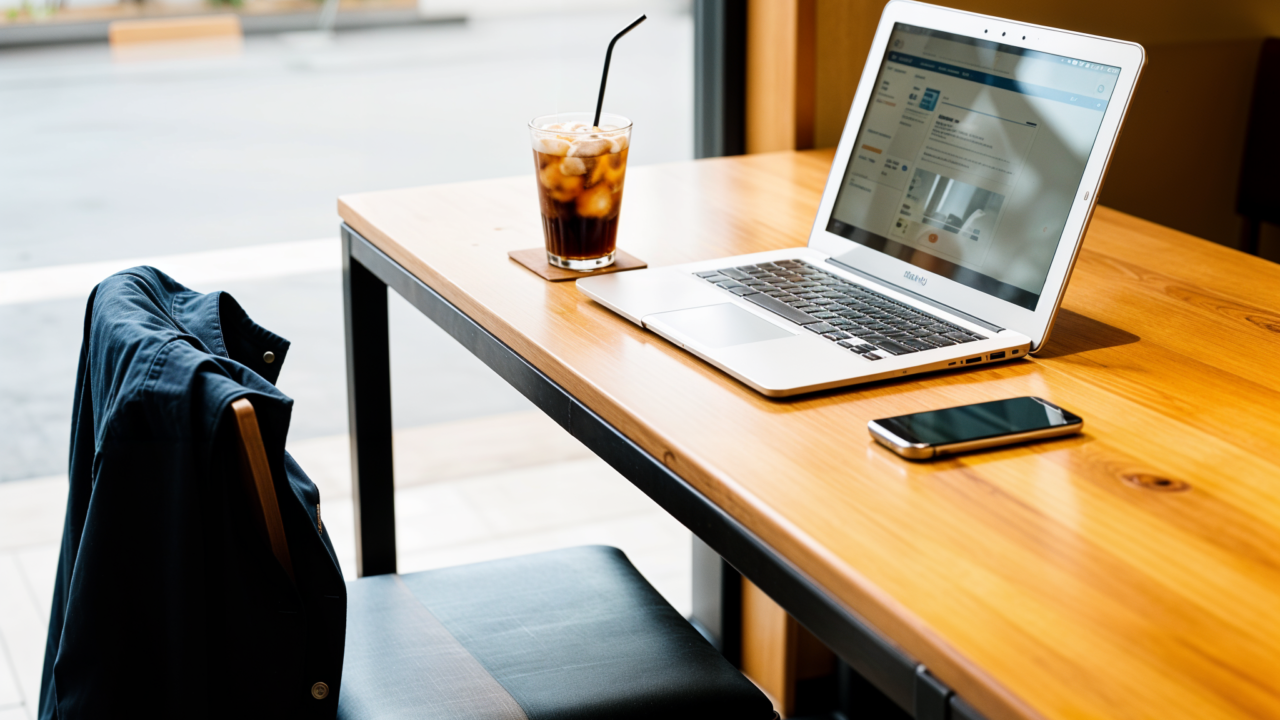
Walk into any busy Starbucks in Tokyo, and you will see something that defies logic. A customer gets up to go to the bathroom. On their table, they leave their brand-new MacBook, their smartphone, and sometimes even their purse. They walk away without looking back. Ten minutes later, they return. Everything is exactly where they left it.
In New York, Paris, or London, those items would be gone in seconds. To many visitors, Japan’s safety feels like magic. But it is not magic. It is the result of a unique social system and a deeply rooted philosophy. Why does the “Lost Wallet” almost always return in Japan? Let’s unlock the mystery.
Chapter 1: The Guardians on the Corner (KOBAN)
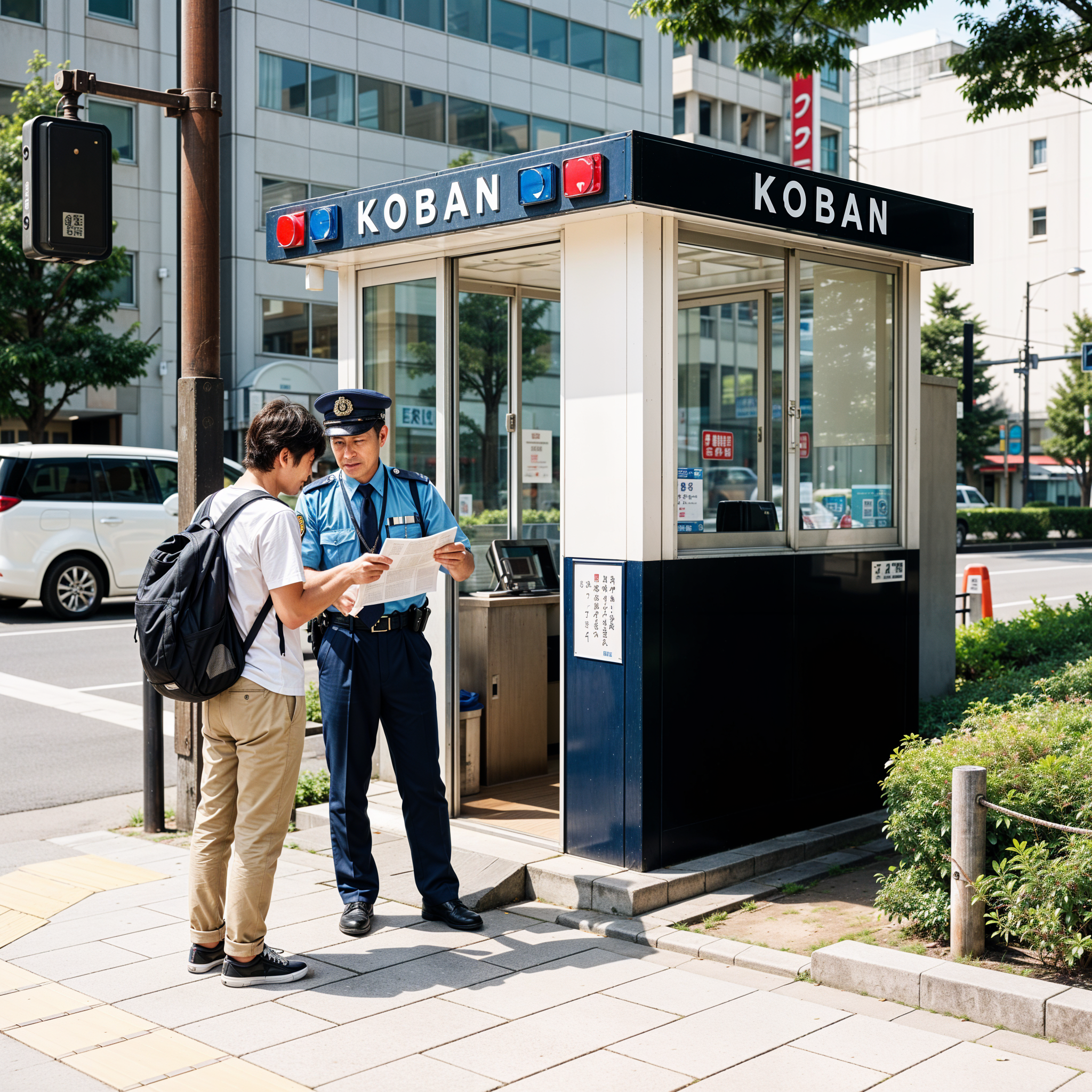
If you walk around any Japanese city, you will notice small, glass-windowed buildings near train stations or major intersections. These are called “KOBAN” (Police Boxes).
The KOBAN system is a Japanese invention dating back to the 19th century. Unlike police in cruisers who patrol from a distance, KOBAN officers are stationed within the community. They are the friendly neighborhood guardians.
-
Lost & Found: If someone finds a wallet or a set of keys, they bring it here.
-
Navigation: Before Google Maps, the KOBAN was the place to ask for directions.
-
Safety: Their constant presence acts as a psychological deterrent to crime.
Because there is always a KOBAN nearby, doing the “right thing” (turning in a lost item) is easy and convenient for everyone.
Chapter 2: The “Otento-sama” Spirit (Why We Don’t Steal)
The police system is good, but the real reason for Japan’s safety lies in the people’s minds. From a very young age, Japanese children are taught strict moral codes at school. They serve lunch to their classmates and clean their own classrooms. This builds a sense of community ownership.
But there is also a spiritual concept called “Otento-sama is watching.”
-
Otento-sama refers to the Sun (or the Sun God).
-
The phrase means: “Even if no police officer is looking, and even if no other person is looking, the Sun is watching you.”
In Western culture, guilt might come from breaking a law (Sin). In Japanese culture, the fear is “Shame” (Haji). Committing a crime brings shame not just to you, but to your family and your group. This internal pressure is far stronger than any security camera.
Chapter 3: How to Reserve a Seat in a Cafe (The Local Rule)
Now that you know it’s safe, let’s talk about how to use this to your advantage. In a crowded Japanese cafe (especially on weekends), the rule is: Find a seat first, then order at the counter.
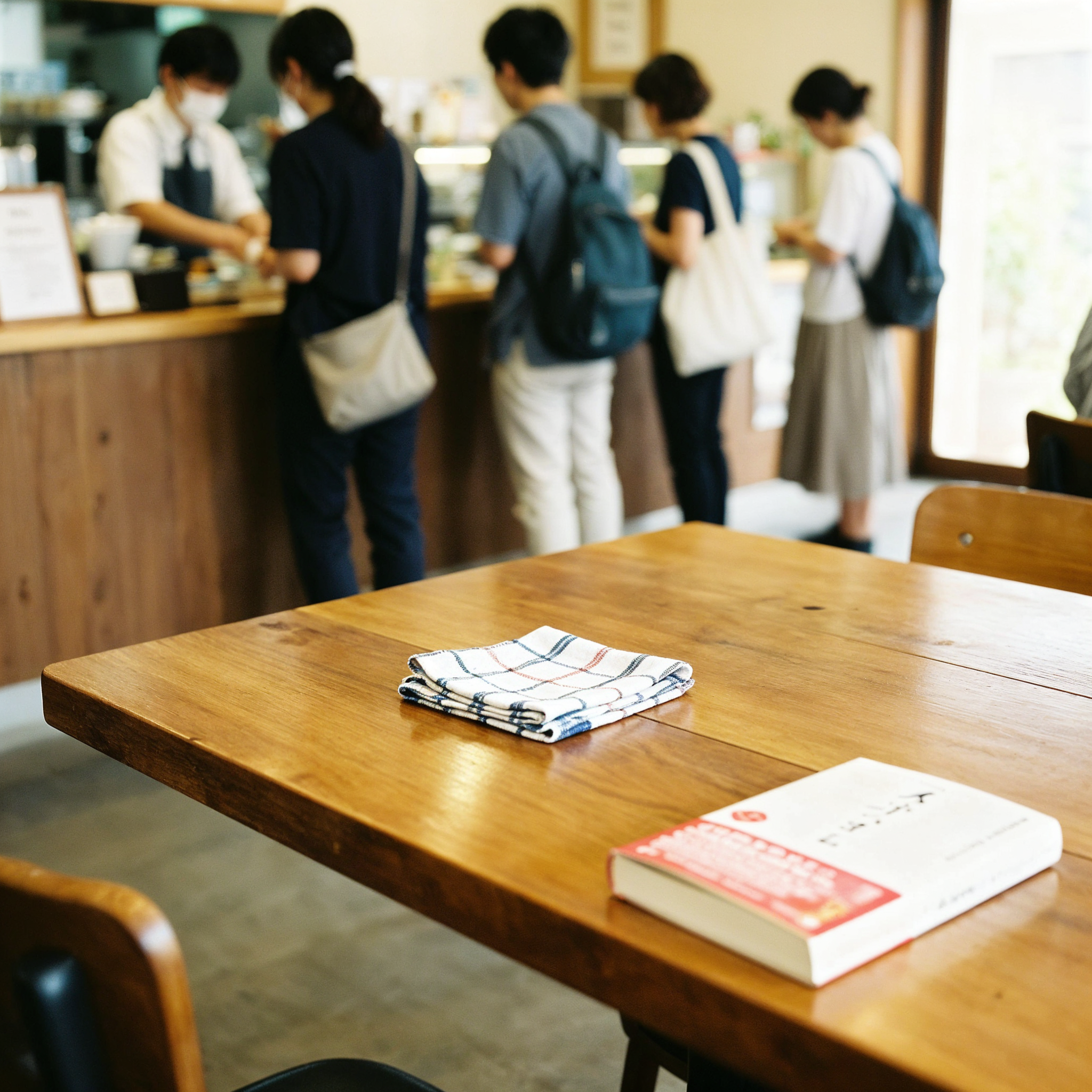
The “Seat Marker” Technique How do you claim a table without sitting at it? You leave a personal item as a “marker.” If you see a handkerchief, a book, or a tote bag sitting on an empty table, that table is taken. Do not sit there.
Jay’s Safety Tip: While Japan is incredibly safe, crime is not zero. I do not recommend leaving your passport, wallet, or expensive camera as a marker. Instead, use “low-risk” items:
-
A jacket or scarf
-
An umbrella
-
A paperback book
-
A handkerchief or an inexpensive bag
This is the perfect balance of trusting the culture while still being smart travelers.
Conclusion: The Ultimate Souvenir is Peace of Mind
Japan offers many amazing things: delicious food, beautiful shrines, and efficient trains. But perhaps the most valuable thing you will experience here is something invisible: “Peace of Mind” (Anshin).
For a few days, you can lower your guard. You don’t have to constantly check your pockets or clutch your bag tightly on the subway. You can relax and truly focus on enjoying the country.
If you do happen to lose your wallet, don’t panic. Go to the nearest KOBAN. There is a very high chance it is already waiting for you, with every single Yen still inside. That feeling of relief? That is the real magic of Japan.