The Ultimate Souvenir: Collecting “Goshuin” (Hand-Written Shrine Seals)
Introduction
When you visit Japan, what will you bring back home? Green Tea KitKats? A plastic samurai sword? A magnet for your fridge? These are fun, but they are mass-produced.
If you are looking for a souvenir that is spiritual, beautiful, and completely unique to your journey, look no further than “Goshuin.”
You may have seen people lining up at shrines, holding small, colorful notebooks. They are not collecting autographs from celebrities. They are collecting “proof of connection” with the deities. In this guide, I will introduce you to the beautiful world of Japanese shrine seals—an analog tradition that will turn your trip into a piece of art.
Chapter 1: Not Just a Stamp (What is Goshuin?)
First, let’s clear up a common misunderstanding. In Japan, you will find rubber stamps at train stations and tourist spots. Those are for fun. Goshuin is different.
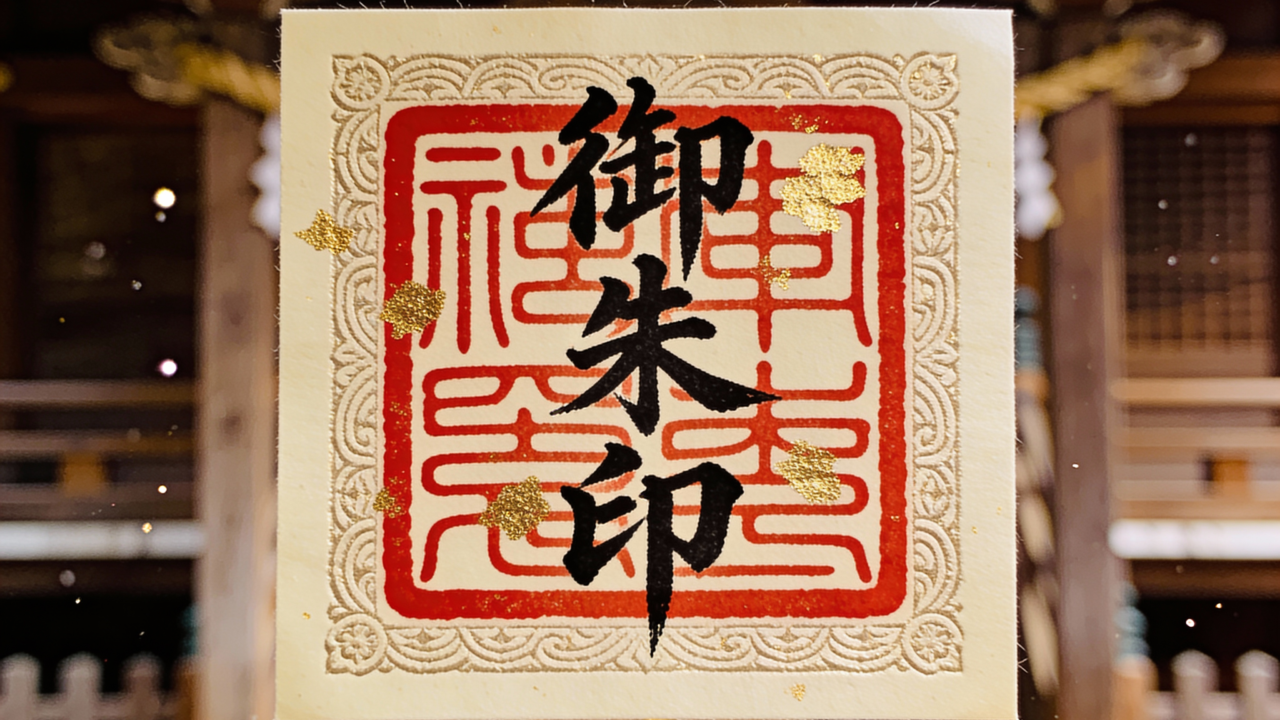
“Go” is an honorific prefix, and “Shuin” means “red stamp.” A Goshuin is a combination of two things:
-
The Red Stamps: These represent the deity and the shrine.
-
The Black Calligraphy: This is the name of the shrine and the date of your visit, written in ink (Sumi).
The most amazing part? It is hand-written right in front of you. A Shinto priest or Buddhist monk will take your notebook, dip a brush into black ink, and write the characters with flowing, dynamic strokes. It is a live artistic performance, and no two Goshuin are exactly alike. It is a sacred record that you visited that specific holy place on that specific day.
Chapter 2: The Holy Notebook (Goshuin-cho)
Before you run to the nearest shrine, you need one essential tool. You cannot ask a priest to write on a piece of printer paper, your travel diary, or the back of a receipt. They will politely refuse.
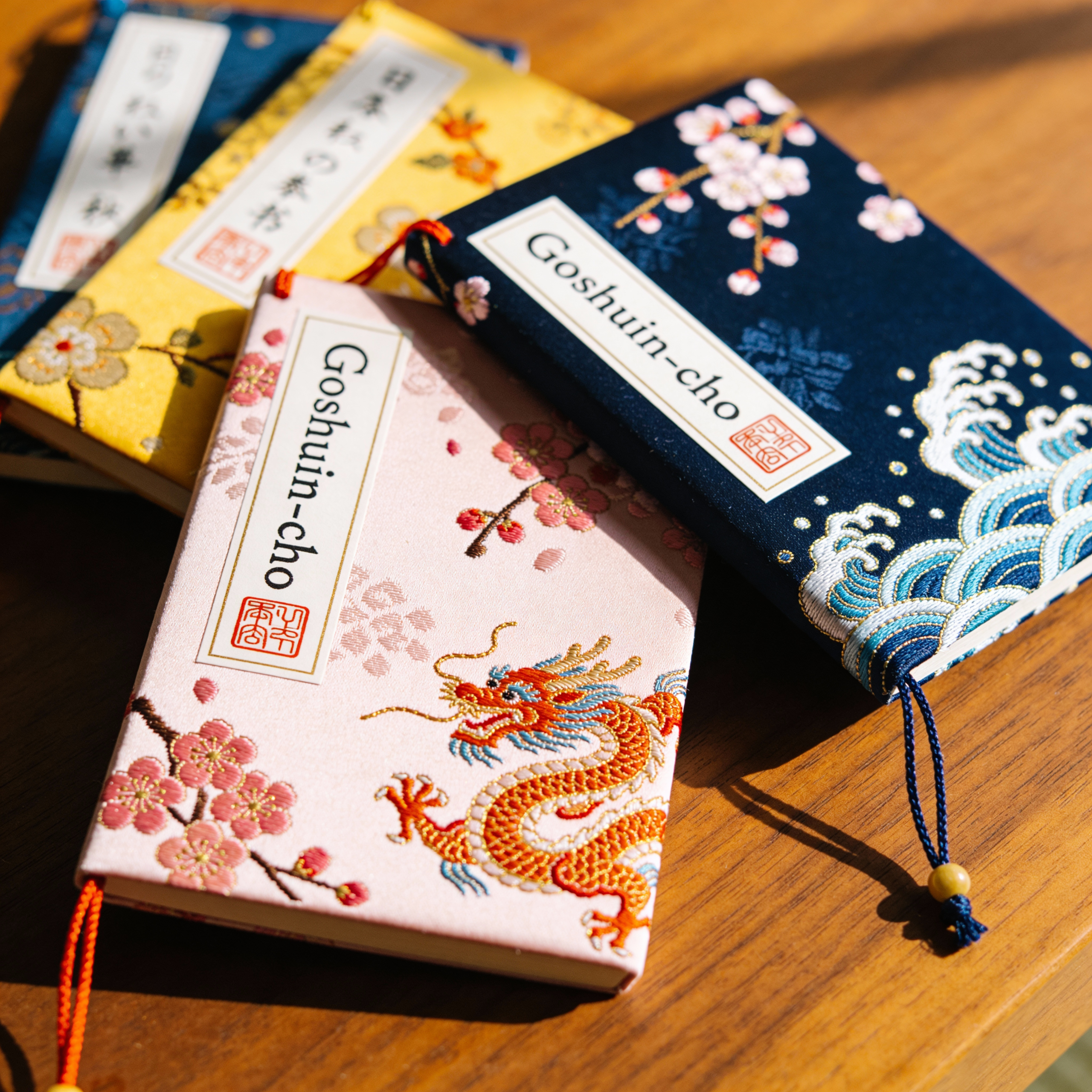
You need a special book called a “Goshuin-cho” (Honorable Stamp Book).
Why is it special? Unlike a regular notebook, a Goshuin-cho is made of thick, high-quality Japanese paper (Washi) that prevents the ink from bleeding through. It is constructed in an accordion style, so you can unfold the entire book and view all your stamps as a continuous scroll.
Where to buy one? Most major shrines and temples sell their own original Goshuin-cho. They often feature beautiful embroidery of flowers, dragons, or local scenery. My advice: Buy your first one at the first major shrine you visit (like Meiji Jingu in Tokyo or Kinkakuji in Kyoto). It costs around 1,500 yen to 2,000 yen ($10-$15), and picking your favorite design is part of the fun!
Chapter 3: The Ritual: How to Get One
Getting a Goshuin involves a specific etiquette. It is not like buying a souvenir at a shop; it is a religious act. Follow these steps to show respect.
Step 1: Pray First This is the most important rule. The Goshuin is proof of your visit to the deity. Running straight to the stamp counter without praying is considered rude. Go to the main hall, bow, offer a coin, and pray. Then, go to get your stamp.
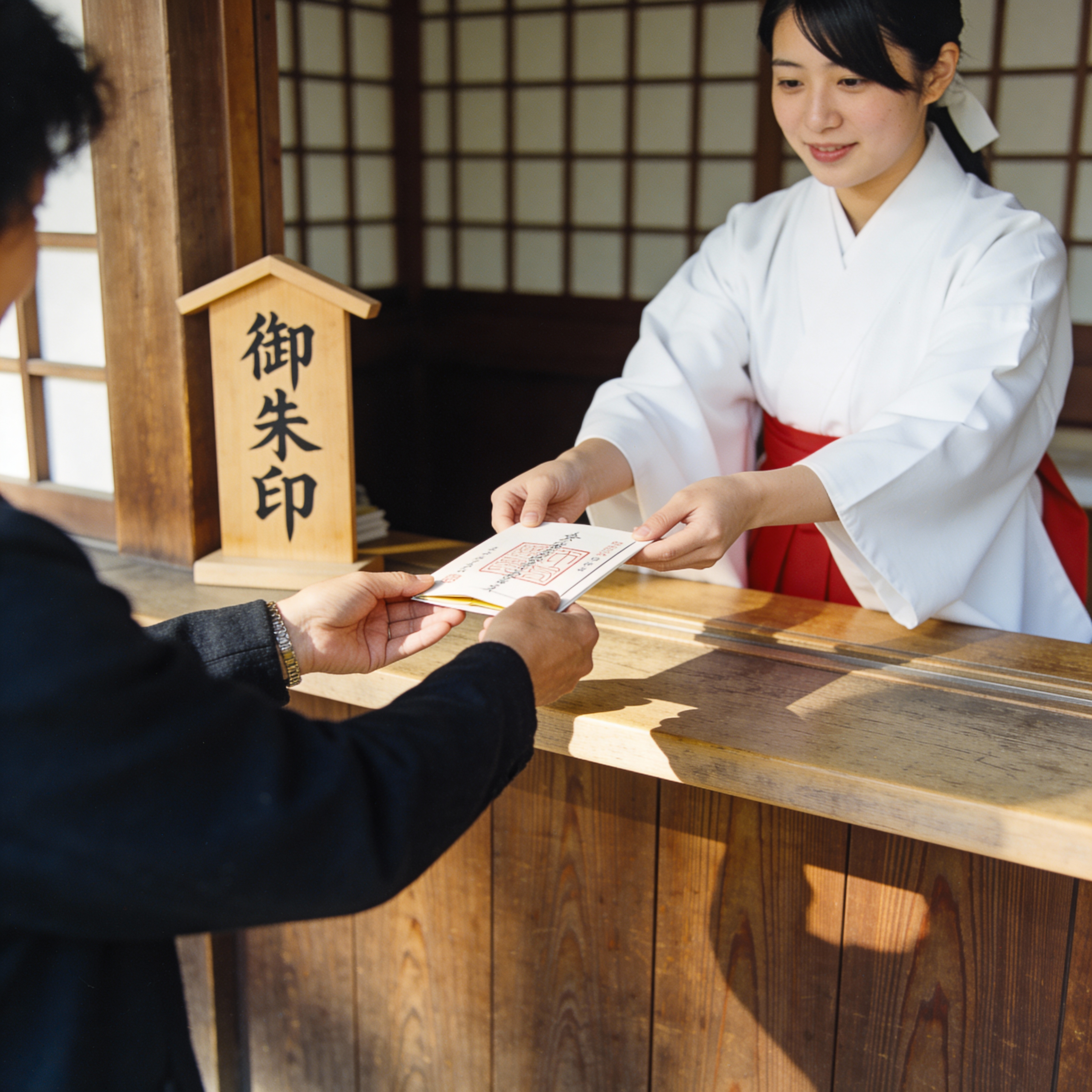
Step 2: Find the “Shamusho” or “Juyosho” Look for a building with a sign that says “Goshuin” (御朱印) or “Reception”. There is usually a window where priests are working.
Step 3: Hand Over Your Book
-
Open your Goshuin-cho to the blank page where you want the stamp.
-
Hand it to the staff.
-
The Cost: It typically costs 300 yen or 500 yen.
-
Jay’s Tip: Try to have exact change (coins). Paying with a 10,000 yen bill for a 300 yen stamp creates trouble for the busy priests.
-
Step 4: Wait Quietly You will be given a number tag. While waiting, stay quiet. Watch the brushwork if you can, but do not take photos or videos of the priest without asking permission. It requires intense concentration to write beautiful calligraphy.
Chapter 4: Respect the Art (Etiquette)
Your Goshuin-cho is treated as a sacred object. Here are a few things to avoid:
-
Do Not Use It as a Memo Pad: Never let your kids draw in it, and don’t glue train tickets or travel receipts onto the pages. If a priest sees random scribbles in your book, they may refuse to sign it. Keep it pure.
-
Shrines vs. Temples: Generally, you can mix stamps from Shinto Shrines and Buddhist Temples in the same book. However, very rarely, a strict temple might refuse to write in a book that has shrine stamps. If you are worried, you can buy two separate books (one for Shrines, one for Temples), but for most travelers, one mixed book is totally fine.
Conclusion
Years after your trip to Japan, your photos might be buried in your smartphone’s cloud storage. The matcha KitKats will be long eaten.
But your Goshuin-cho will remain. When you open its accordion pages, you will smell the faint scent of ink. You will see the dynamic calligraphy from Kyoto, the bold red stamp from Tokyo, and the date you were there.
It is not just a collection of stamps. It is a timeline of your spiritual journey and the connections (Go-en) you made along the way. So, buy a book, bow at the gate, and start your collection. It is the best souvenir you will ever find.