The Naked Truth: A Guide to Japanese Onsen Etiquette & The Tattoo Taboo
Introduction
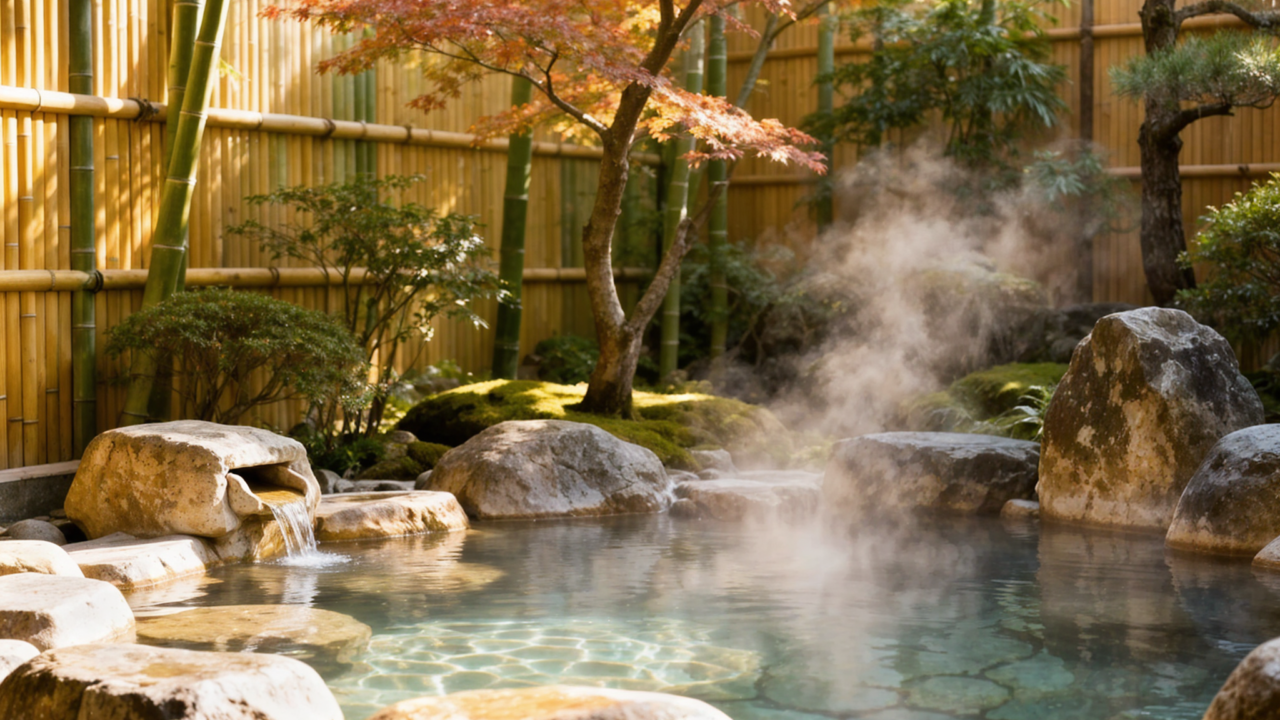
Japan is a country of high technology and polite distances. But there is one place where all barriers—and all clothes—disappear: The Onsen (Hot Spring).
For many visitors, the idea of stripping completely naked in front of strangers is terrifying. I understand. It feels unnatural. But in Japan, we have a phrase: “Hadaka no Tsukiai” (Naked Communion). It means that when we remove our clothes, we also remove our social status. We become equals. It is the ultimate way to relax and bond.
However, entering this sacred space requires knowing the rules. And for many travelers, there is one major question that causes anxiety: “Can I enter if I have a tattoo?” Let’s unlock the naked truth.
Chapter 1: The Tattoo Taboo (Why?)
If you have a tattoo, you might be shocked to see signs at the entrance of gyms, pools, and Onsens saying: “NO TATTOOS ALLOWED.”
Is it because Japan hates art? No. The reason is historical. For a long time in Japan, large tattoos were almost exclusively the mark of the “Yakuza” (Japanese organized crime syndicates). To keep regular customers feeling safe and to keep gangsters out, business owners banned tattoos completely.
The Modern Reality Today, many young Japanese and tourists have tattoos for fashion. The culture is slowly changing, but the old rules are stubborn. Even if your tattoo is a cute butterfly or a meaningful quote, an old-school Onsen owner might still see it as a rule violation. Don’t take it personally. It is not about you; it is about maintaining the “atmosphere” of safety for elderly locals.
Chapter 2: Solutions for Inked Travelers
Does this mean you cannot enjoy an Onsen? Absolutely not. You just need a strategy.
Solution A: Cover It Up If your tattoo is small (about the size of a smartphone or smaller), many facilities will let you in if you cover it with a skin-colored adhesive tape or sticker. You can buy these at drugstores or Don Quijote.
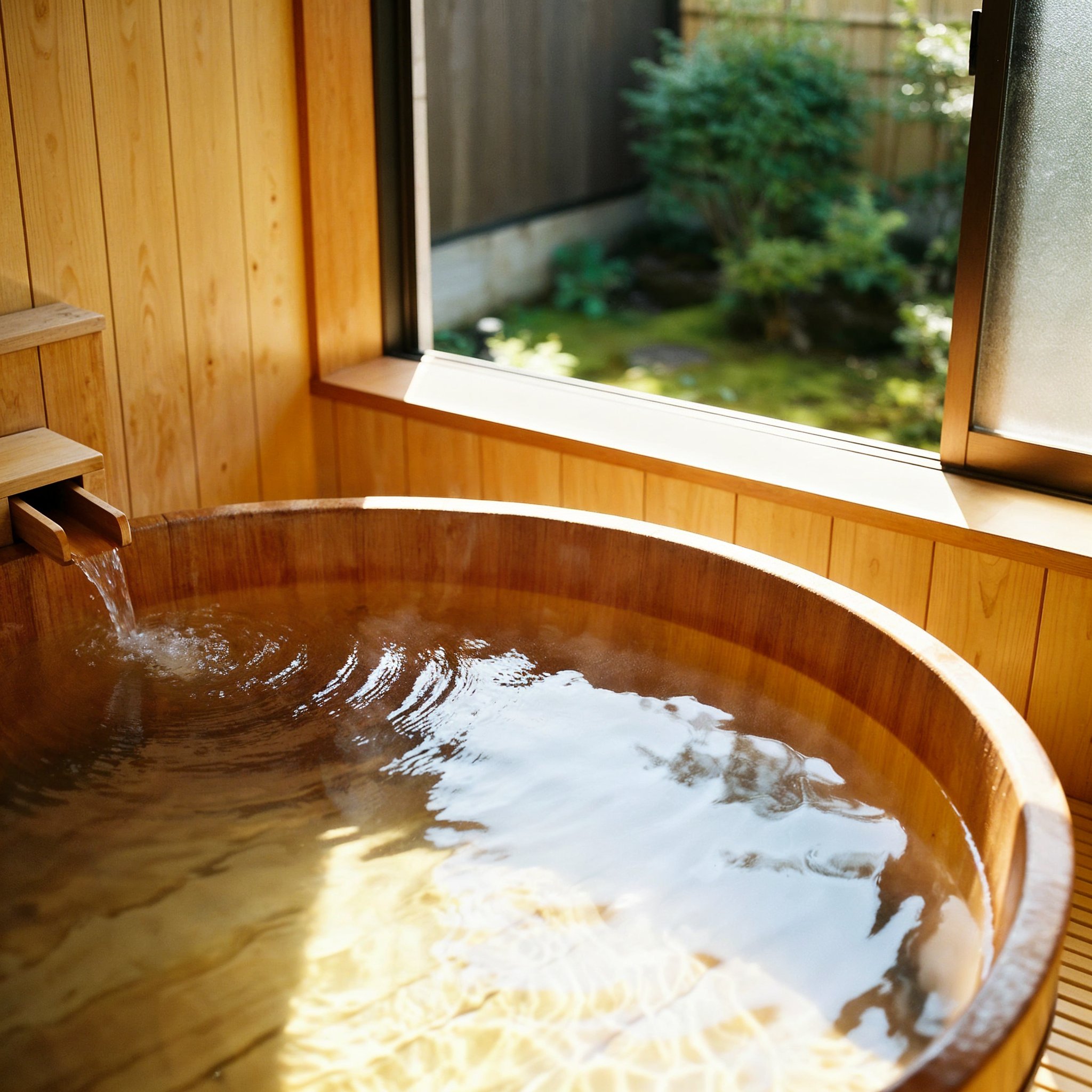
Solution B: Go Private (Kashikiri) This is my top recommendation. Look for Ryokans or Onsen facilities that offer “Kashikiri Buro” (Private/Chartered Baths) or “Kazoku Buro” (Family Baths). These are private rooms with their own hot spring tub that you rent by the hour.
-
Pros: No tattoo rules. You can bathe together with your partner or family (mixed gender is usually forbidden in public baths).
-
Cons: It costs a bit extra, but it is worth every yen for the privacy.
Chapter 3: The Washing Ritual (Do Not Skip This!)
Once you are in the bathing area, you will see the beautiful steaming water. You want to jump right in. STOP.
This is the most critical rule of Japanese bath culture: The bathtub is for soaking, not for washing. The water is shared by everyone, so you must be 100% clean before you enter it.
The Steps:
-
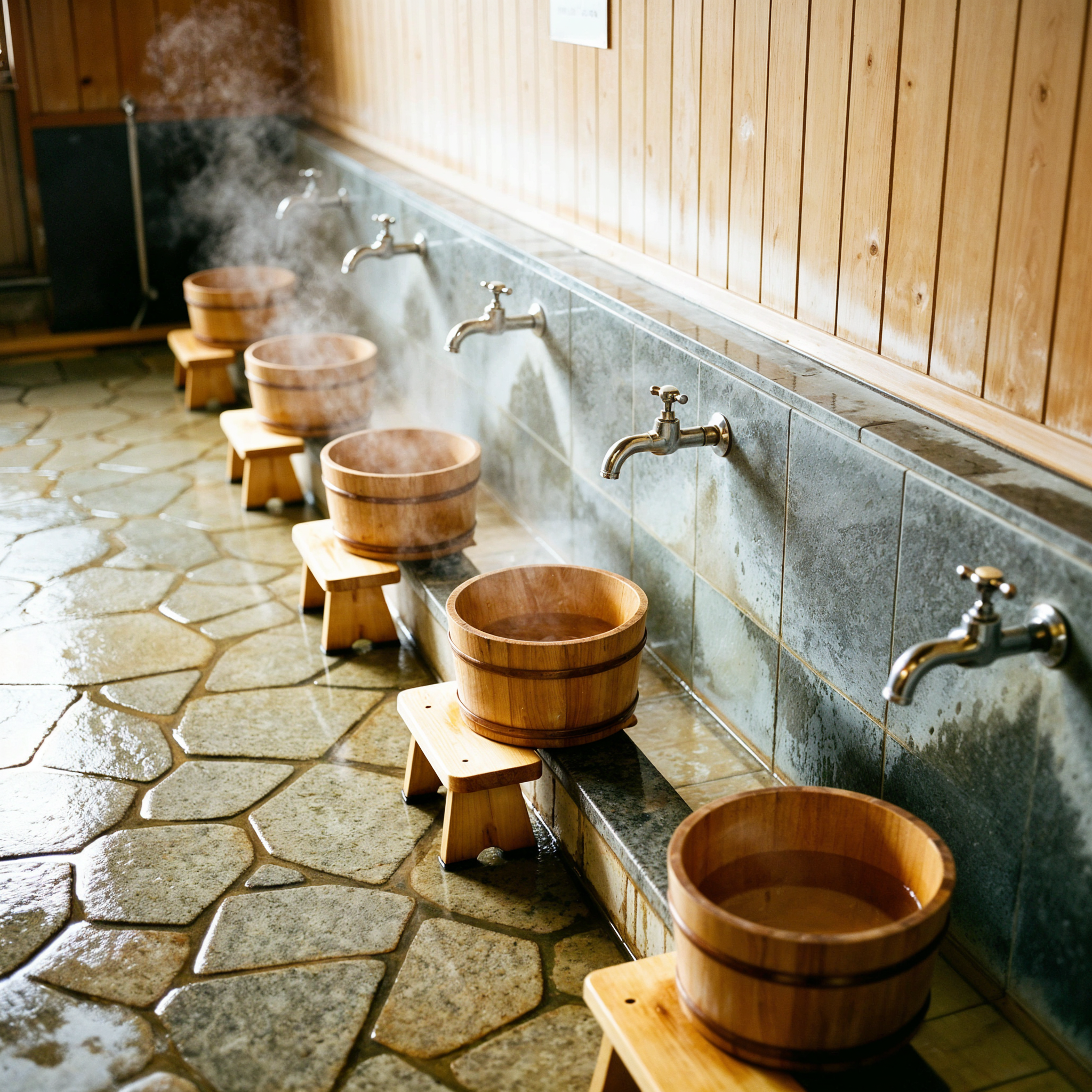
Sit Down: Go to the washing stations (faucets along the wall). Sit on the small plastic stool. Do not stand while showering, or you will splash water on your neighbor.
-
Scrub: Use the soap and shampoo provided. Scrub your entire body.
-
Rinse: Rinse off every bubble of soap.
-
Kakeyu: Before entering the big tub, use a bucket to pour hot water over yourself one last time. Now, you are ready to soak.
Chapter 4: The Magic Towel & No Swimming
You are given a large towel (for drying) and a small, thin white towel. This small towel is your best friend. You can use it to cover your private parts while walking around.
Where does it go? When you enter the water, do not let the towel touch the bathwater. It is considered dirty. So, where do you put it?
-
Option A: Fold it and put it on your head (the classic style!).
-
Option B: Leave it on the side of the tub (make sure it doesn’t fall in).
Don’t Be a Fish Finally, remember that an Onsen is not a swimming pool. Even if the bath is huge, do not swim, splash, or dive. Close your eyes, sit still, and listen to the sound of the water. That is the Onsen way.
Conclusion: The Post-Bath Reward
After you are red-faced and fully relaxed, head back to the changing room. Dry yourself off before stepping onto the dry floor.
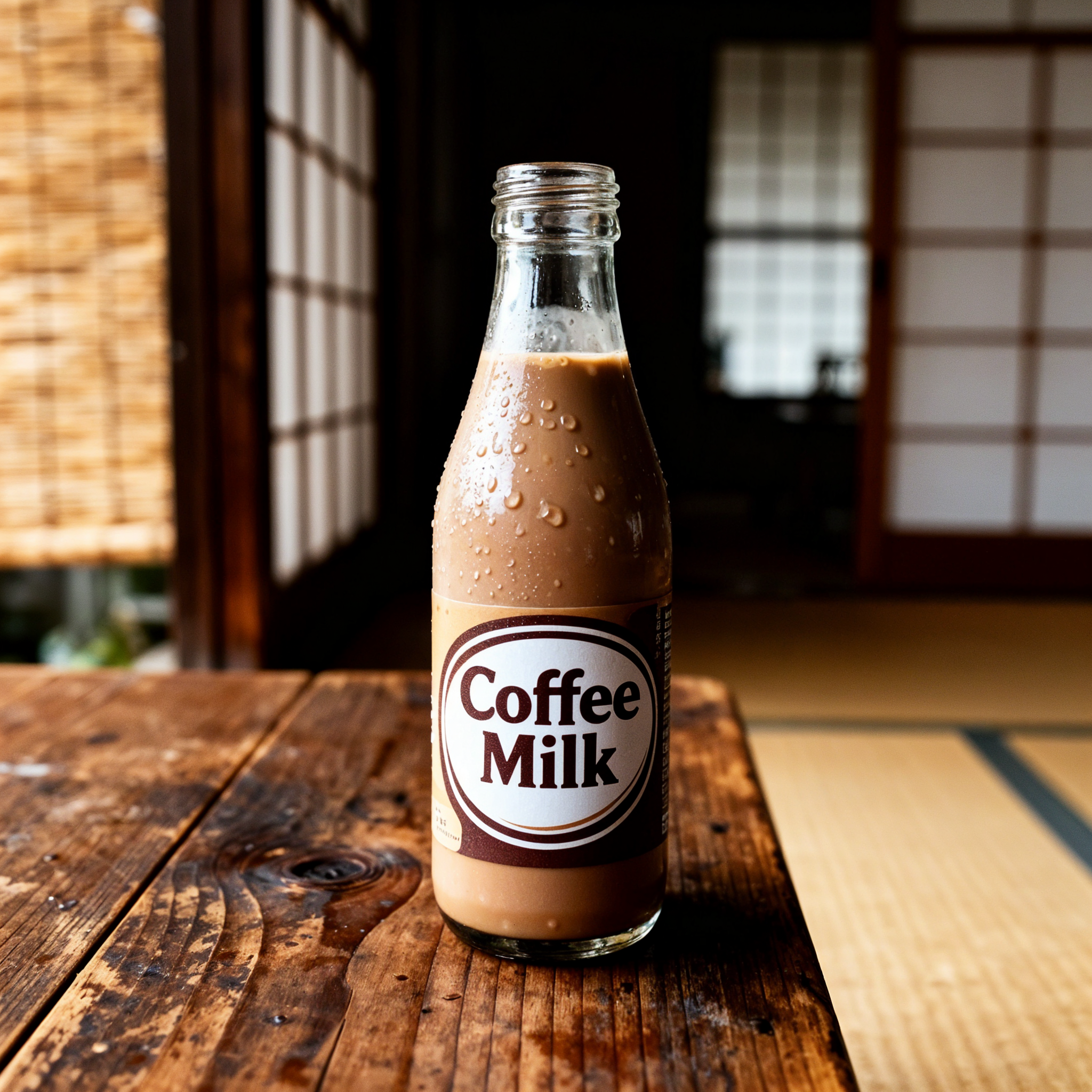
Then, look for a vending machine. The traditional way to end an Onsen trip is to drink a cold glass bottle of “Coffee Milk” (or fruit milk). With one hand on your hip, drink it in one go.