More than Pink Petals : A Guide to the Art of ” Hanami” (Cherry Blossom Viewing)

Introduction
Every spring, a pink wave washes over Japan from south to north. It is a time when the entire country holds its breath, waiting for the first buds to open. To an outsider, it may look like a simple obsession with flowers. But to Japanese people, Sakura (cherry blossoms) are much more—they are the symbol of life, death, and renewal.
The tradition of appreciating these flowers is called “Hanami” (literally “flower viewing”). But don’t be fooled by the peaceful name. Hanami is often a lively, social event involving picnics, drinks, and laughter under a canopy of blossoms.
If you are planning to visit Japan during this magical window, you need more than just a camera. You need to know how to celebrate like a local. In this guide, I will unlock the secrets of the Sakura season, from reading the forecast to mastering park etiquette.
Chapter 1: The Chase (The Sakura Forecast)
The most important thing to know about Sakura is that they are incredibly picky. They only bloom for about a week to ten days before the wind carries them away.
To help people time their visits, Japan has the “Sakura Zensen” (Cherry Blossom Front). Starting in January, meteorologists release detailed maps predicting exactly when the trees will bloom in each city.
Two Key Terms to Know:
-
Kaika (Opening): When the first few flowers appear on a tree.
-
Mankai (Full Bloom): When about 80% of the flowers are open. This is the “Gold Standard” for photography and parties. It usually happens about 5 to 7 days after Kaika.
Jay’s Tip: If you are traveling between late March and early April, keep a close eye on the forecast websites (like Japan Meteorological Corporation). Nature is unpredictable, and even a few days of rain can change the schedule!
Chapter 2: How to “Hanami” Like a Local
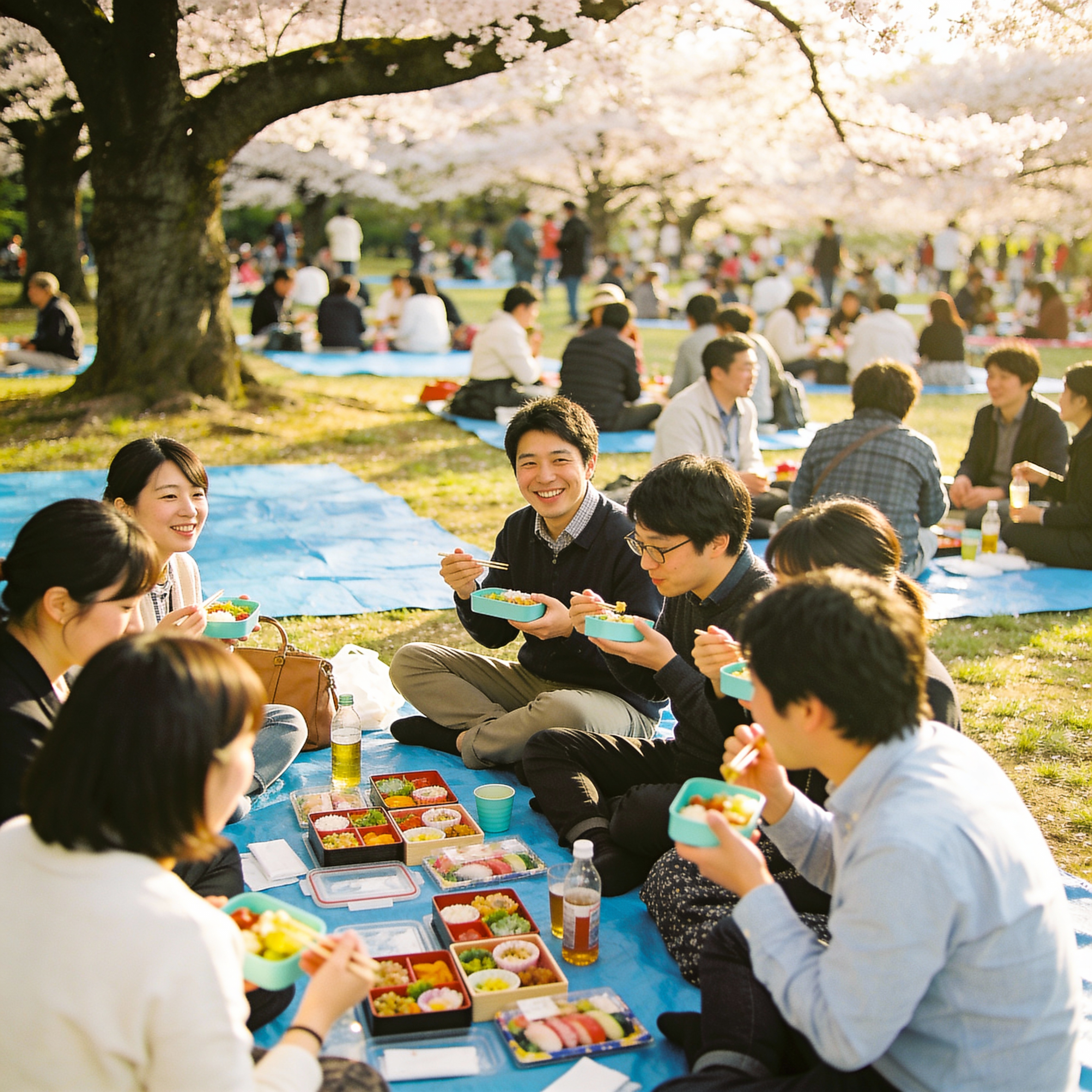
If you see a sea of blue plastic tarps on the grass, you have found a Hanami party. While tourists usually walk through the parks, locals prefer to sit and stay for hours.
The Hanami Starter Pack:
-
The Blue Tarp: You can buy these at any 100-yen shop or convenience store. It is the official “carpet” of Hanami.
-
The Food: Many people bring “Hanami Bento” (seasonal lunch boxes), but grabbing snacks like Karaage and Onigiri from a Konbini is perfectly fine (and delicious!).
-
The Drinks: Beer, Sake, and Sakura-flavored sodas are favorites. In fact, many brands release special pink-themed cans just for this season.
Securing Your Spot: In popular parks like Ueno or Yoyogi, space is precious. Groups often send one person (usually the youngest member of the office or family) early in the morning to spread the tarp and sit there all day to save the spot for the evening party. It is a dedicated tradition
Chapter 3: The Golden Rules of the Trees (Don’t Touch!)
As much as we love a good party, Japanese people have a deep respect for the trees. To keep the Hanami spirit positive, there are a few “unspoken” (and some very spoken) rules you must follow.
-
Do Not Touch the Blossoms: This is the most important rule. Sakura are extremely delicate. Never shake a branch to make petals fall for a “cool” photo, and never break a twig to take home as a souvenir. If you do this, you will likely be scolded by locals.
-
Take Your Trash Home: Most parks do not provide extra trash cans during the Sakura season. You are expected to pack everything back into your bag and dispose of it at your hotel or home. Leaving a mess under a sacred tree is considered very disrespectful.
-
Check the Alcohol Rules: While drinking is a big part of Hanami, some parks—like the famous Shinjuku Gyoen—strictly prohibit alcohol. Always check the sign at the entrance to see if “Sake” is allowed.
-
Be Considerate with Space: Don’t take up more room than you actually need. If it’s just two of you, don’t spread a tarp big enough for ten people.
Chapter 4: The Magic of Night Sakura (Yozakura)
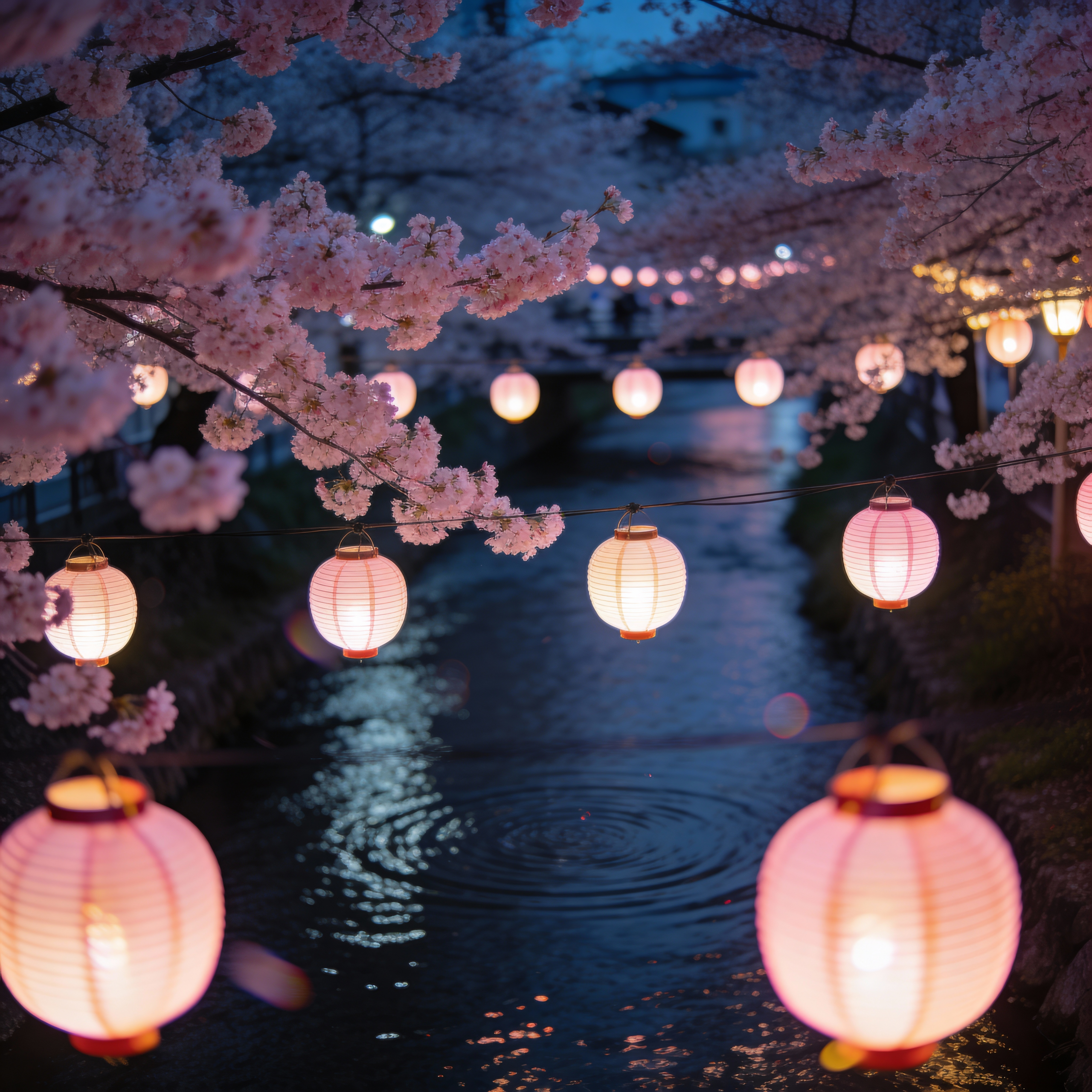
The fun doesn’t stop when the sun goes down. In fact, many people believe the blossoms are even more beautiful at night. This is called “Yozakura.”
Many popular spots, such as the Meguro River or Chidorigafuchi, install thousands of LED lights and traditional paper lanterns (Chochin) among the trees. The soft pink glow against the dark night sky creates a romantic, dream-like atmosphere that feels completely different from the daytime.
Jay’s Tip: It gets surprisingly cold in Japan during the spring evenings. If you plan to stay for Yozakura, bring a warm jacket or buy some “Kairo” (heat pads) from the Konbini to keep in your pockets!
Conclusion: The Beauty of Impermanence
Why do we care so much about a flower that only lasts a week?
There is a Japanese phrase called “Mono no aware.” It describes a bittersweet feeling—an appreciation for the beauty of things that do not last. We love the Sakura precisely because they are fleeting. They remind us to appreciate the present moment, to cherish our friends, and to start fresh every year.
When you stand under a falling shower of pink petals, you aren’t just looking at a tree. You are witnessing the heartbeat of Japan. I hope this spring, you get to unlock that feeling for yourself.