No Fireworks, Just Bells: Why Japanese New Year is Quiet but Beautiful
Introduction
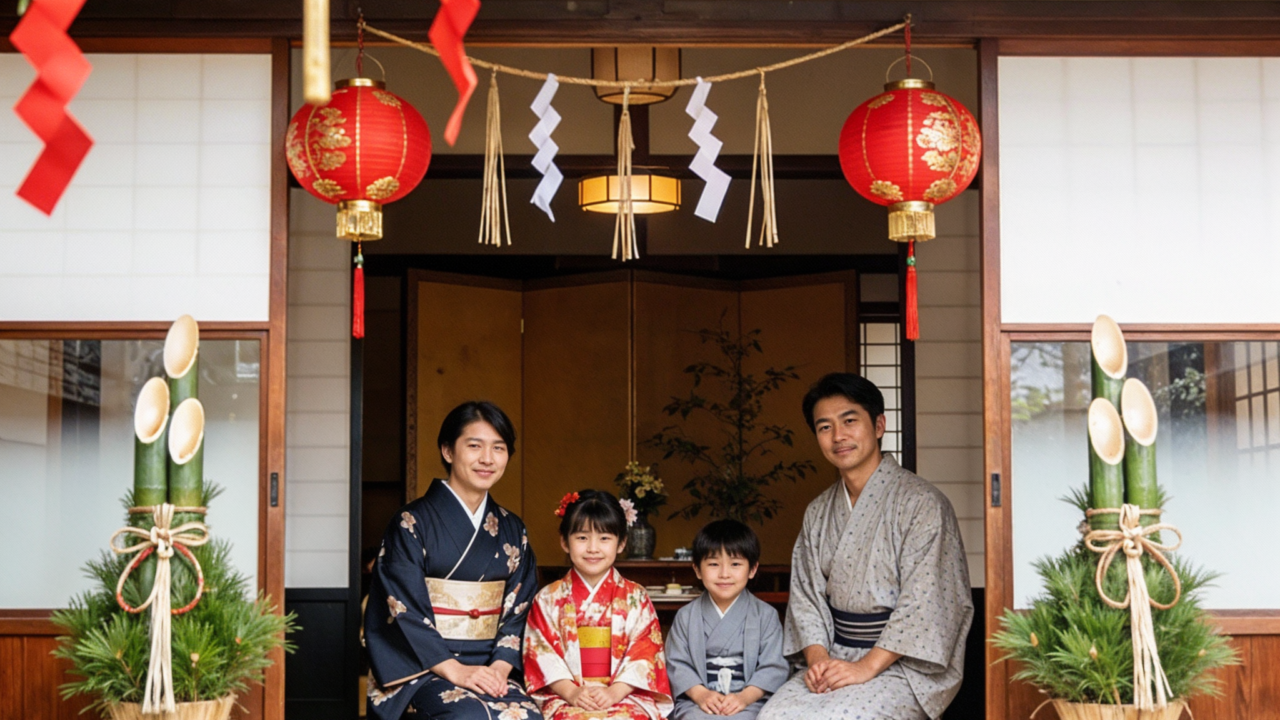
If you are planning to spend New Year’s Eve in Tokyo, you might be imagining a scene like Times Square in New York: loud music, confetti, fireworks exploding over the Shibuya Crossing, and strangers kissing at midnight.
If that is what you are looking for, you might be surprised. In Japan, New Year’s (Oshogatsu) is not a time for partying. It is a time for silence, family, and spiritual resetting.
Here is a cultural twist that often confuses visitors:
-
Christmas in Japan: A romantic holiday for couples (like Valentine’s Day) or a time to eat KFC with friends.
-
New Year’s in Japan: A solemn, family-centric holiday (like Christmas in the West).
Most businesses close, the streets become quiet, and people return to their hometowns. But do not be disappointed. This quietness offers a rare and beautiful glimpse into the soul of Japan. In this guide, I will show you how to celebrate the New Year like a true local.
Chapter 1: The Last Supper (Toshikoshi Soba)
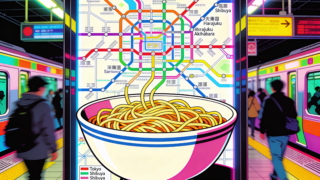
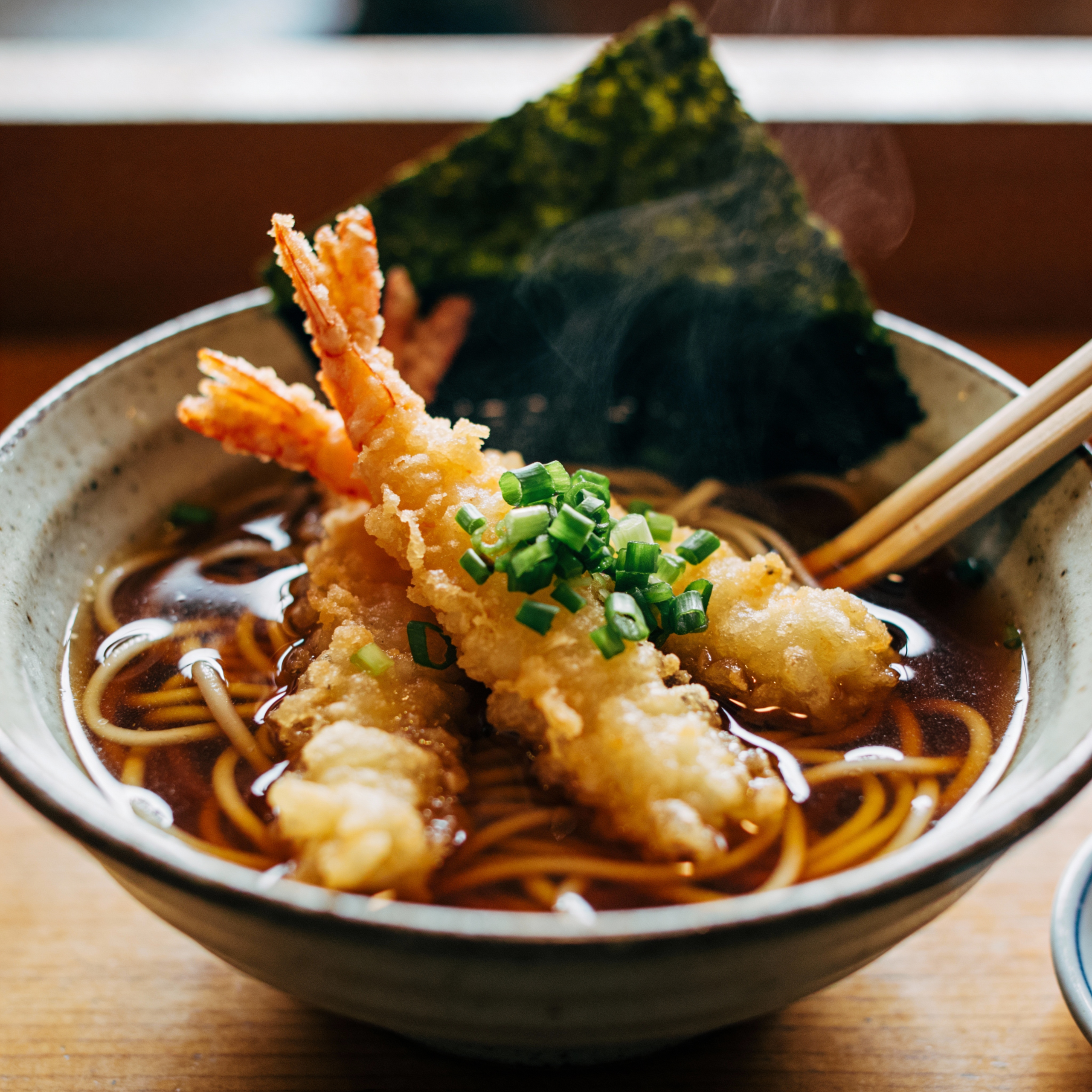
Before the clock strikes midnight on December 31st (Omisoka), there is one delicious ritual you must perform: eating “Toshikoshi Soba”.
This dish consists of long, thin buckwheat noodles in a hot broth, usually topped with tempura or green onions. But why noodles?
The Symbolism:
-
Longevity: The long shape of the noodles symbolizes a wish for a long, thin (peaceful) life.
-
Breaking Ties with the Past: Soba noodles are easily cut when you bite them. This symbolizes “cutting away” the bad luck and hardships of the past year so you don’t carry them into the new one.
The Golden Rule: You must finish eating your noodles before midnight. If you are still eating when the clock strikes 12:00, it is considered bad luck (it implies your old problems are following you into the new year). So, slurp up!
Chapter 2: The Sound of 108 Bells (Joya no Kane)
In the West, you count down the seconds: “3, 2, 1, Happy New Year!” In Japan, we listen to the bells.
As midnight approaches, Buddhist temples across the country begin a ritual called “Joya no Kane.” Monks ring a massive bronze bell exactly 108 times.
Why 108? In Buddhism, it is believed that humans have 108 worldly desires or temptations (Bonnou)—such as anger, jealousy, and greed—that cause suffering. Each ring of the bell is said to purify us of one desire. The slow, deep boom of the bell reverberating through the cold winter air is incredibly moving. It cleanses your heart and prepares you to start the year with a blank slate.
Where to Experience It: While you can watch it on TV, I highly recommend visiting a local temple. Famous spots like Zojoji in Tokyo (near Tokyo Tower) are spectacular, but even small neighborhood temples perform this ritual. Close your eyes, listen to the sound, and let go of your stress from 2024.
Chapter 3: The First Visit (Hatsumode)
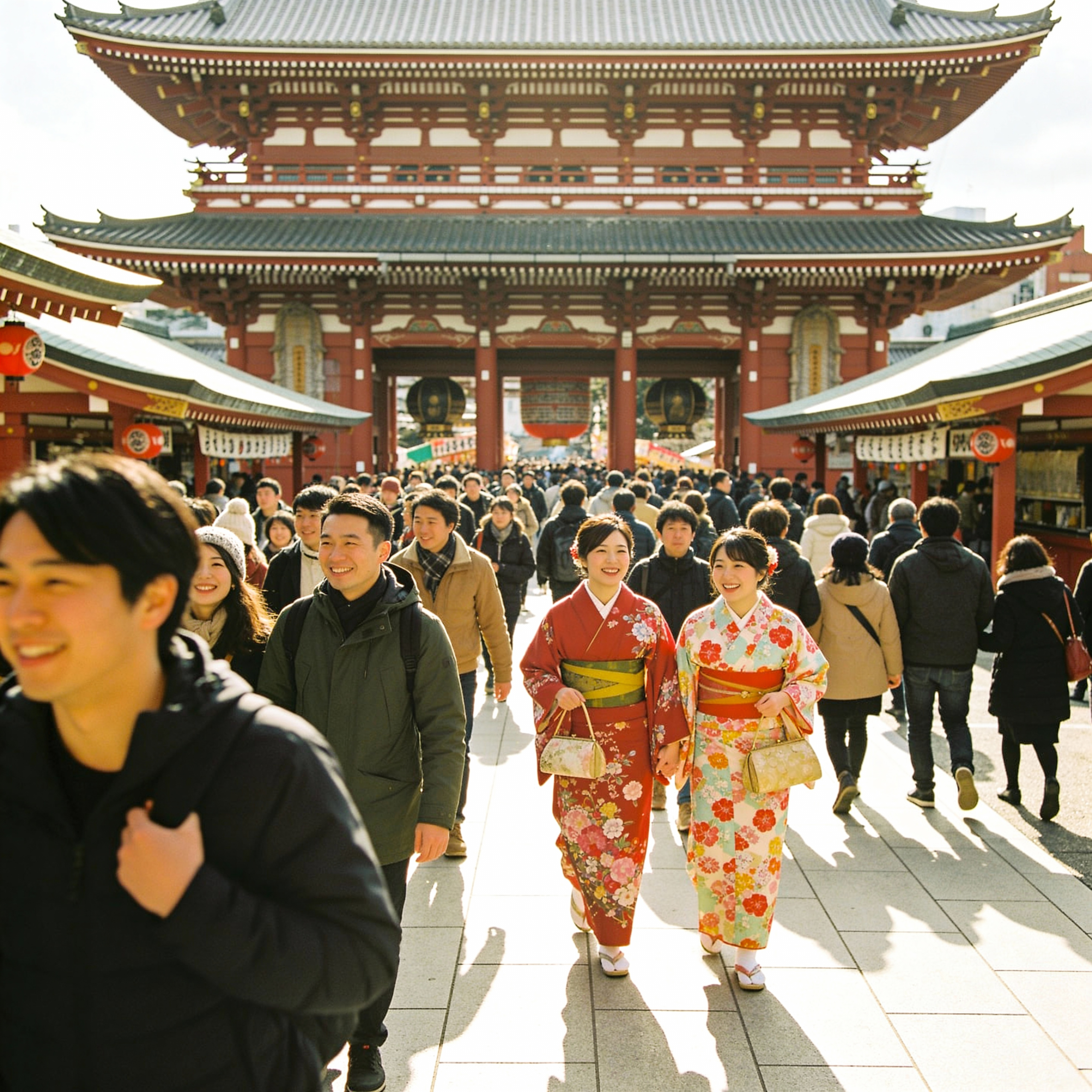
After a quiet night, Japan wakes up to a new energy. From January 1st to 3rd, practically the whole country goes to a shrine or temple. This tradition is called “Hatsumode” (The First Visit).
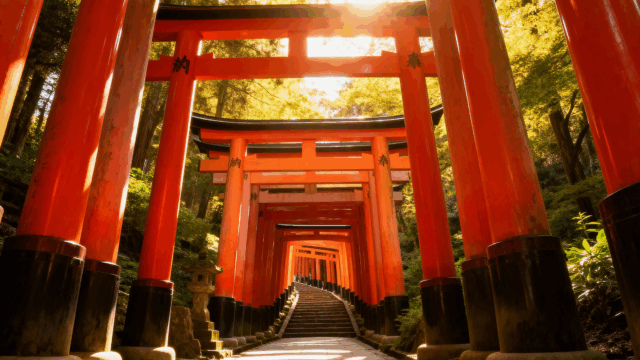
The Crowds are Part of the Fun If you go to a famous spot like Meiji Jingu in Tokyo or Fushimi Inari in Kyoto, be prepared for a sea of people. It is not uncommon to wait in line for hours just to throw your coin. While the crowds can be crazy, there is a shared sense of celebration. Everyone is dressed in their best clothes (some in Kimono), praying for health, success, and happiness in the coming year.
Don’t Forget Your Old Charms You will see large white boxes where people are throwing in their old amulets (Omamori) from last year. We believe that charms only hold their power for one year. We thank them for their protection, return them to the shrine to be burned, and buy fresh ones for the new year.
(Not sure how to pray? Check out my previous guide on [How to Visit a Shrine]!)
Chapter 4: The Shopping Frenzy (Fukubukuro)
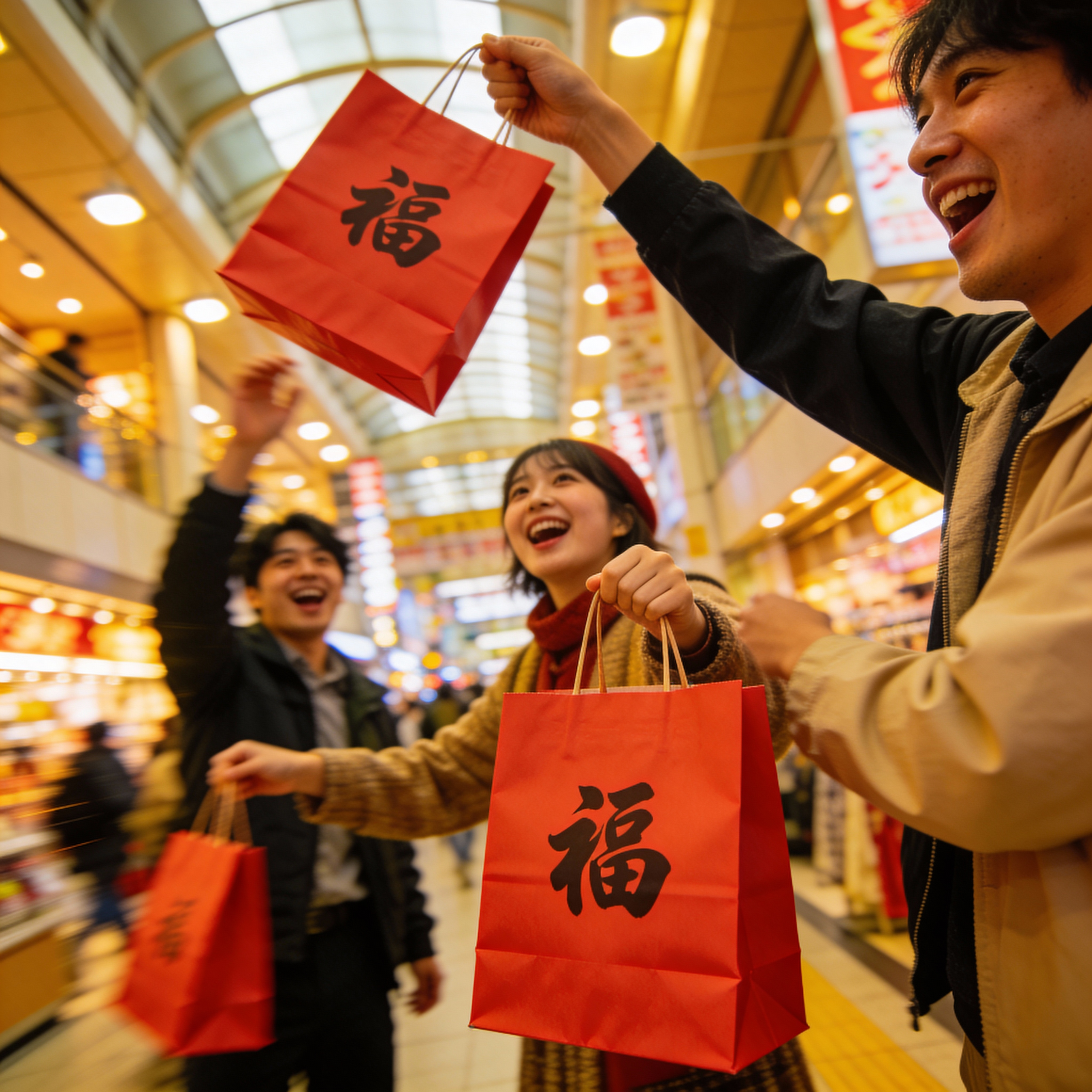
If the shrines are for spiritual luck, the department stores are for material luck. Starting January 1st or 2nd, the “New Year Sales” begin. But the main event is the “Fukubukuro” (Lucky Bag).
The Mystery Deal Stores sell sealed bags containing random merchandise at a steep discount. You might pay 10,000 yen ($70) for a bag, but inside, there could be 30,000 yen worth of clothes, gadgets, or food. The catch? You cannot see what is inside.
It is a gamble, but the Japanese love it. You will see massive lines in front of department stores, Apple Stores (in past years), and even Starbucks. If you are feeling lucky, grab a bag and see what fate has in store for you!
Chapter 5: Travel Survival Tips (Crucial!)
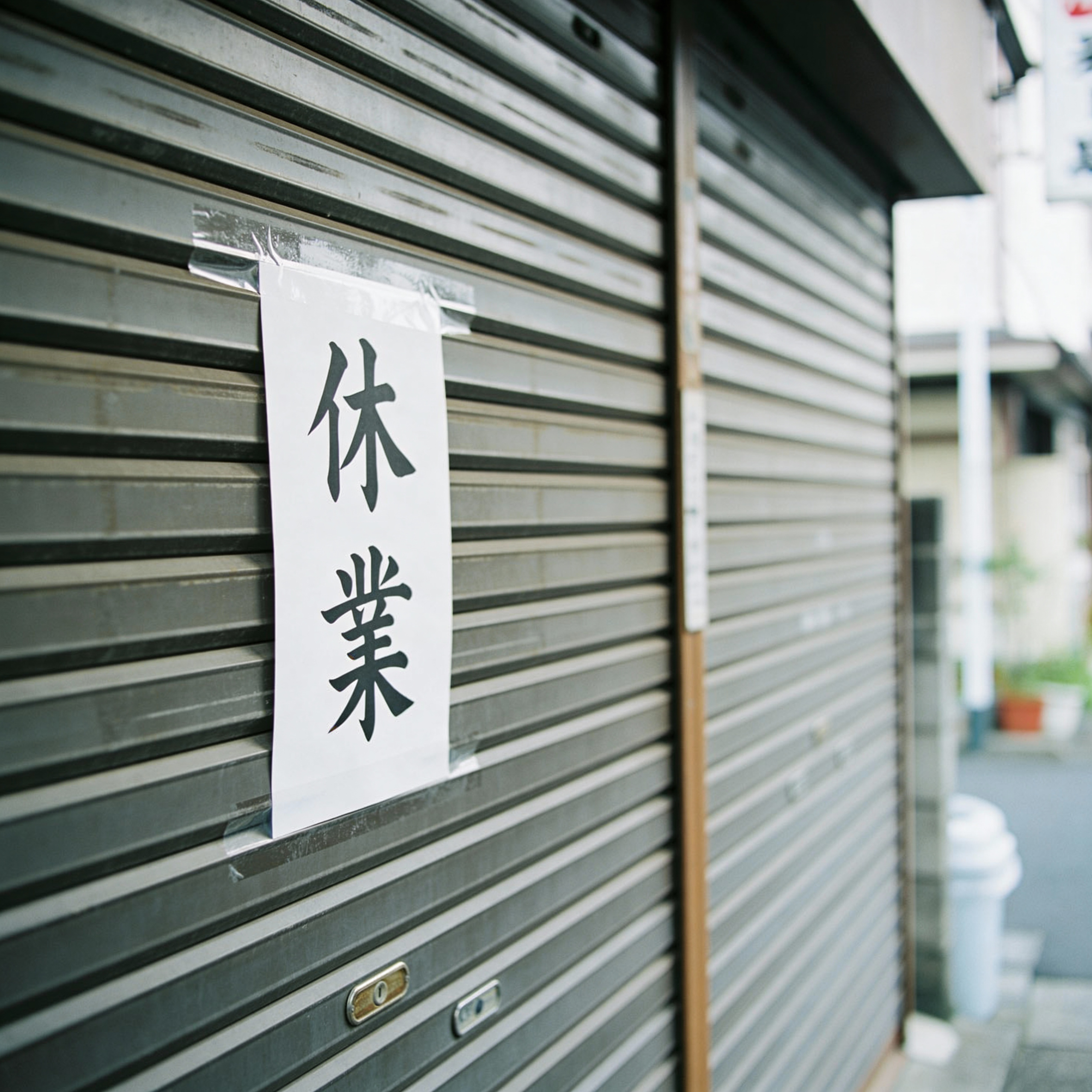
While Oshogatsu is beautiful, it is the trickiest time for travelers. Here is how to survive the “Big Shut Down” from January 1st to January 3rd.
-
Dining Danger: Most family-owned restaurants, Tsukiji Outer Market shops, and small cafes will be CLOSED. Do not rely on Yelp or Google Maps hours, as they are often wrong during this period.
-
Solution: Stick to major chains, hotels, and shopping malls. And of course, our savior: the Konbini (open 24/7).
-
-
Cash is King: Banks are closed. While ATMs in 7-Eleven usually work, some smaller bank ATMs might have limited hours or run out of cash. Withdraw plenty of money on December 30th just in case.
-
Museums & Attractions: Many museums close for the holidays. Always check their official websites beforehand. However, Tokyo Disney Resort and USJ are open (and very crowded).
Conclusion
Japanese New Year is a unique blend of solemn reflection and joyful renewal. It starts with the deep boom of a temple bell and ends with the excitement of a Lucky Bag.
It is a time when the normally busy Japan hits the “Reset” button. So, if you are here, slow down. Eat some Soba. Visit a shrine. And if you meet a local, try saying this phrase:
“Akemashite Omedetou Gozaimasu!” (Happy New Year!)
Enjoy the fresh start.